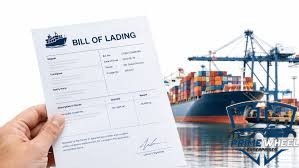
When importing a vehicle from Japan, several important documents are involved in the international shipping process. One of the most important documents is the Bill of Lading (B/L).
A Bill of Lading is an official shipping document issued by or on behalf of the carrier. It serves as evidence that the carrier has received the cargo for shipment and records the agreed transportation details.
For car importers, understanding this document is essential because incorrect information can create complications during shipping, customs clearance, and vehicle collection.
But what exactly is a Bill of Lading? What information does it contain, and which details should you carefully check before accepting it?
In this guide, we explain everything car importers need to know about the Bill of Lading when shipping a vehicle from Japan.
1. What Is a Bill of Lading?
A Bill of Lading is a shipping document issued by a carrier or its authorized agent after receiving cargo for transportation.
When a vehicle is shipped internationally, the Bill of Lading provides important information about the shipment, including the exporter, consignee, vessel, ports, and vehicle or cargo details.
It generally serves three important purposes:
1. Evidence of Receipt: It confirms that the carrier has received the vehicle or cargo for shipment.
2. Evidence of the Contract of Carriage: It records the transportation arrangements between the carrier and the relevant shipping parties.
3. Document of Title: A negotiable original Bill of Lading can represent title to the goods, subject to its terms and applicable law. Not every Bill of Lading is negotiable.
For vehicle importers, this document is an important part of the shipping and destination clearance process.
2. Why Is the Bill of Lading Important When Importing a Car?
The Bill of Lading plays an important role throughout the international vehicle shipping process.
It helps different parties identify and process the shipment.
Its importance includes:
- Confirming the shipment details.
- Identifying the shipper and consignee.
- Recording the departure and destination ports.
- Supporting customs clearance procedures.
- Helping the consignee arrange vehicle collection.
- Providing a reference for shipment tracking and inquiries.
Depending on the shipping arrangement, the consignee may need an original Bill of Lading, a surrendered Bill of Lading, or another accepted release arrangement to collect the vehicle.
3. Important Details to Check on Your Bill of Lading
Before accepting your shipping document, carefully review the following information.
A. Shipper Details
The shipper is generally the party responsible for sending the vehicle.
Check that the shipper’s name and other relevant details match the export and shipping records.
B. Consignee Details
The consignee is the person or company designated to receive the shipment.
This is one of the most important sections for car importers.
Verify:
- Correct full name or company name.
- Accurate contact information, where included.
- Correct destination details.
- Consistency with the documents required for customs clearance.
An