How Shipping a Car from Japan to the Caribbean Works: A Step-by-Step Guide
How Shipping a Car from Japan to the Caribbean Works: A Step-by-Step Guide
November 27, 2026
0 Comments
Japan is one of the world’s major sources of quality vehicles, and many buyers across the Caribbean choose Japanese cars because of their variety, reliability, and competitive prices.
Whether you are importing a Toyota, Honda, Nissan, Suzuki, or another Japanese vehicle, understanding the shipping process is essential before making a purchase.
But how does a car travel from Japan to the Caribbean? What happens after purchasing a vehicle, and how does it reach your destination island?
In this guide, we explain the complete process of shipping a car from Japan to the Caribbean, from vehicle selection and export procedures to international shipping and final delivery.
1. Choose the Right Vehicle from Japan
The first step is selecting a vehicle that meets your needs, budget, and destination country’s import regulations.
Buyers can explore Japanese vehicle auctions, dealerships, and exporter inventories to find suitable options.
Popular Japanese vehicle brands in the Caribbean include:
Toyota
Honda
Nissan
Mitsubishi
Suzuki
Mazda
Before purchasing, consider the following:
Vehicle price and overall import budget.
Engine size and fuel efficiency.
Vehicle condition and auction grade.
Left-hand or right-hand drive requirements.
Import age restrictions.
Local vehicle registration regulations.
Tip: Always check your destination island’s import regulations before purchasing a vehicle. Requirements can differ significantly between Caribbean countries.
2. Confirm Import Regulations for Your Caribbean Destination
Every Caribbean island has its own vehicle import policies. Some countries have restrictions on vehicle age, engine capacity, steering configuration, or vehicle type.
For example, import requirements may differ in:
Jamaica
Trinidad and Tobago
Barbados
Guyana
Grenada
Saint Lucia
Antigua and Barbuda
The Bahamas
Dominica
Before confirming your purchase, verify the current regulations with the relevant customs or transport authorities.
Important requirements may include:
Permitted vehicle age.
Engine capacity restrictions.
Right-hand or left-hand drive regulations.
Import duties and taxes.
Required inspection certificates.
Registration and roadworthiness standards.
Checking these requirements in advance can help prevent unexpected expenses and import complications.
3. Purchase the Vehicle from Japan
After identifying a suitable vehicle and confirming that it meets your destination’s requirements, the next step is purchasing it.
There are several ways to buy a Japanese vehicle:
Japanese Car Auctions: Buyers can access a wide selection of vehicles through Japanese auction platforms with auction sheets and inspection details.
Dealer Inventory: Vehicles may also be purchased directly from Japanese dealerships or exporter inventories.
Professional Auction Assistance: Working with an experienced auction consultant can help buyers understand vehicle grades, auction sheets, condition reports, and bidding procedures.
Once the purchase is confirmed, payment and vehicle collection arrangements begin.
4. Vehicle Inspection and Export Preparation
After purchasing the vehicle, it is collected and prepared for export.
During this stage, the exporter may arrange:
Vehicle condition verification.
Chassis number confirmation.
Auction sheet review and documentation.
Required export inspections.
Preparation for the selected shipping method.
Export paperwork.
Proper preparation is important to ensure that the vehicle meets the applicable export and shipping requirements.
5. Select a Shipping Method: RoRo or Container
Once the vehicle is ready for export, the next step is choosing the appropriate shipping method.
There are two commonly used options.
RoRo Shipping (Roll-on/Roll-off)
RoRo shipping involves driving the vehicle directly onto a specially designed vessel.
Benefits include:
Generally more affordable shipping costs.
Straightforward vehicle loading and unloading.
Suitable for standard running vehicles.
Designed specifically for transporting vehicles.
Container Shipping
Container shipping involves loading the vehicle inside a shipping container for international transportation.
Benefits include:
Additional enclosure during transportation.
Suitable for certain non-running vehicles, subject to arrangements.
Options for dedicated or shared containers.
Flexibility for special vehicle handling requirements.
The availability of each method depends on the Japanese departure port, destination island, vessel schedules, and shipping arrangements.
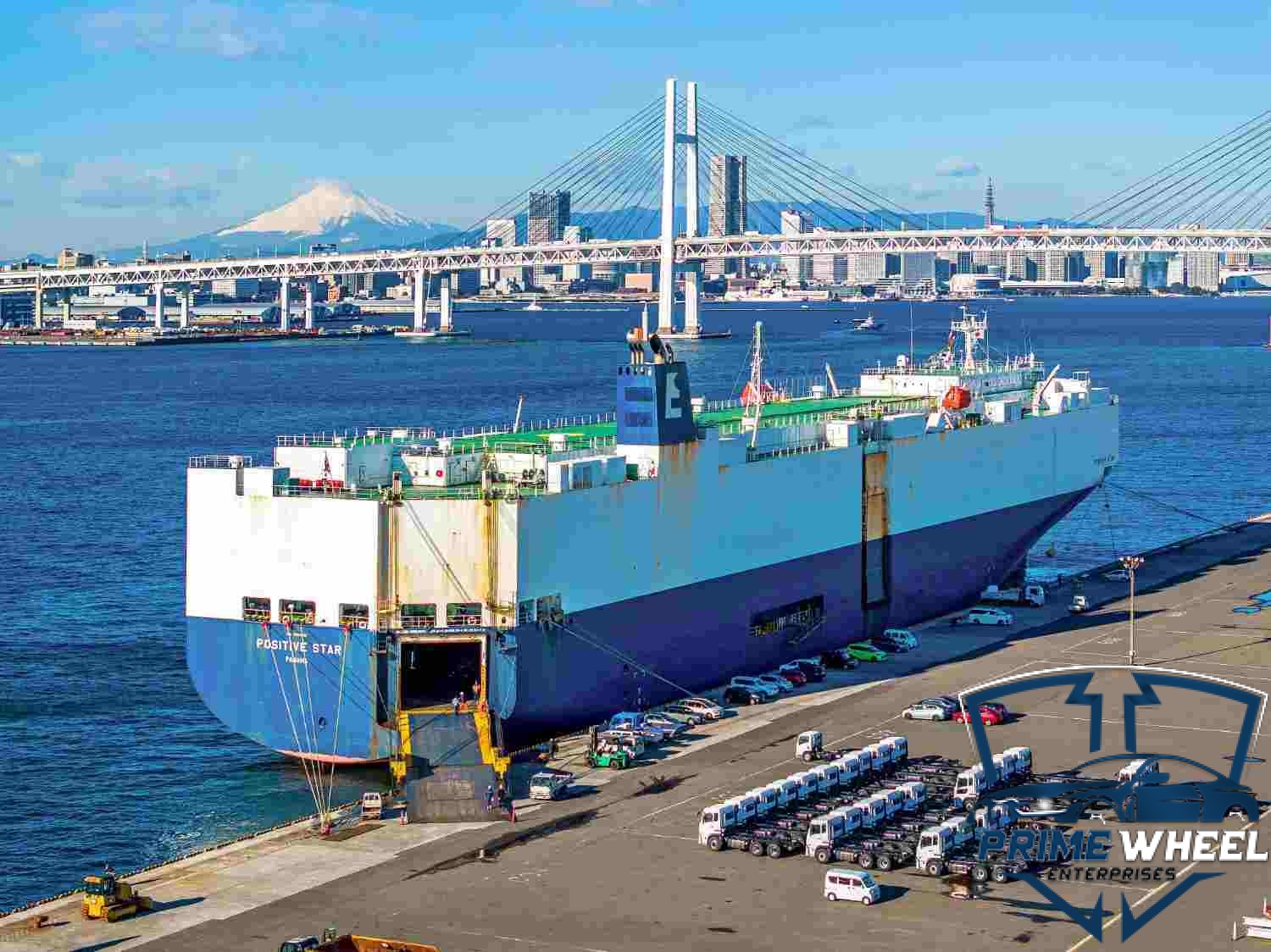
6. Vehicle Departure from Japan
After shipping arrangements are confirmed, the vehicle is transported to the designated Japanese port.
The necessary export documentation and customs procedures are completed before the vehicle is loaded onto the vessel.
Once the vessel departs, the vehicle begins its journey towards the Caribbean.
Depending on the destination, the shipping route may include intermediate ports or transshipment facilities.
Some shipments may travel through major international transshipment hubs before reaching their final Caribbean destination.
7. International Shipping to the Caribbean
International sea transportation is one of the most important stages of the vehicle export process.
The shipping time depends on several factors:
Destination island and port.
Vessel availability.
Shipping route.
Transshipment requirements.
Weather and port conditions.
Shipping method.
For example, shipping arrangements to Jamaica may differ from those serving Barbados, Trinidad and Tobago, Guyana, or the Bahamas.
There is no single transit time for every Caribbean destination. Buyers should confirm the estimated departure and arrival schedule for their specific port before shipment.
8. Arrival at the Caribbean Port
When the vessel reaches the destination port, the vehicle is unloaded and processed according to the port’s procedures.
At this stage, the buyer or appointed clearing agent is usually responsible for coordinating the next steps.
These may include:
Receiving the shipping documents.
Confirming vessel arrival.
Arranging customs clearance.
Paying applicable port charges.
Completing required inspections.
Obtaining vehicle release authorization.
It is important to prepare the required documents and funds before the vehicle arrives to avoid unnecessary delays.
9. Customs Clearance and Import Duties
Before a vehicle can be legally released, it must go through the destination country’s customs procedures.
Import duties, taxes, and other applicable charges vary between Caribbean countries.
The final amount may depend on:
Vehicle purchase value.
Engine capacity.
Vehicle type and age.
Customs valuation rules.
Applicable import taxes and fees.
Some destinations may also require additional inspections, certificates, or compliance procedures before registration.
Always confirm the latest import requirements and charges with the relevant customs authority or a licensed clearing agent.
10. Vehicle Collection and Registration
After customs clearance and the completion of all applicable requirements, the vehicle can be released for collection.
The final steps may include:
Arranging transportation from the port.
Completing required vehicle inspections.
Obtaining registration documents.
Paying registration fees.
Meeting local roadworthiness requirements.
Once these procedures are completed, the vehicle can be prepared for use according to local regulations.
Complete Process: Shipping a Car from Japan to the Caribbean
Here is a simple overview of the entire process:
Stage
What Happens
1. Vehicle Selection
Choose a suitable Japanese vehicle
2. Regulation Check
Confirm destination import requirements
3. Purchase
Complete vehicle purchase and payment
4. Inspection
Verify vehicle details and prepare for export
5. Shipping Selection
Choose RoRo or Container shipping
6. Export Processing
Complete documentation and port procedures
7. Sea Transportation
Ship the vehicle towards the Caribbean
8. Port Arrival
Vehicle arrives at the destination port
9. Customs Clearance
Complete duties, taxes, and inspections
10. Final Collection
Collect and register the vehicle
Common Mistakes to Avoid When Importing Cars to the Caribbean
Importing a vehicle internationally requires careful planning. Avoid these common mistakes:
1. Ignoring Import Regulations: Purchasing a vehicle without checking local restrictions can lead to serious import complications.
2. Choosing a Vehicle Based Only on Price: A low purchase price does not always mean a lower total import cost.
3. Overlooking Shipping Expenses: Always consider freight, insurance where applicable, port charges, customs duties, and other fees.
4. Not Checking Auction Sheets: Understanding the vehicle’s auction grade and condition is important before bidding.
5. Ignoring Steering Requirements: Check whether your destination permits right-hand drive vehicles or requires a specific steering configuration.
6. Delaying Documentation: Incomplete paperwork can create unnecessary delays during export and customs clearance.
Why Choose Prime Wheel Enterprises?
Importing a vehicle from Japan to the Caribbean involves several stages, and having the right guidance can make the process easier to understand.
At Prime Wheel Enterprises, we aim to support customers throughout the Japanese vehicle sourcing and export journey.
Our services include:
Japanese vehicle auction consultancy.
Vehicle selection guidance.
Auction sheet assistance.
Bidding support.
Export and shipping coordination.
International vehicle export support.
We help customers make informed decisions when selecting vehicles and planning their imports.
Conclusion
Shipping a car from Japan to the Caribbean involves much more than arranging international transportation. It requires careful vehicle selection, knowledge of destination regulations, proper export documentation, suitable shipping arrangements, and successful customs clearance.
By understanding each stage, buyers can make better decisions and prepare for a smoother vehicle import experience.
Whether you are importing a vehicle to Jamaica, Trinidad and Tobago, Barbados, Guyana, or another Caribbean destination, planning ahead is essential.
Looking to import a vehicle from Japan to the Caribbean?
Connect with Prime Wheel Enterprises for professional auction consultancy, vehicle selection guidance, and export support.
SEO Title: How to Ship a Car from Japan to the Caribbean: Step-by-Step Guide
Meta Description: Learn how to ship a car from Japan to the Caribbean. Explore vehicle selection, Japanese auctions, RoRo and container shipping, customs clearance, and delivery.
Focus Keyword: Shipping a Car from Japan to the Caribbean