Marine Insurance for Imported Cars: What It Covers and When You Need It
Marine Insurance for Imported Cars: What It Covers and When You Need It
November 27, 2026
0 Comments
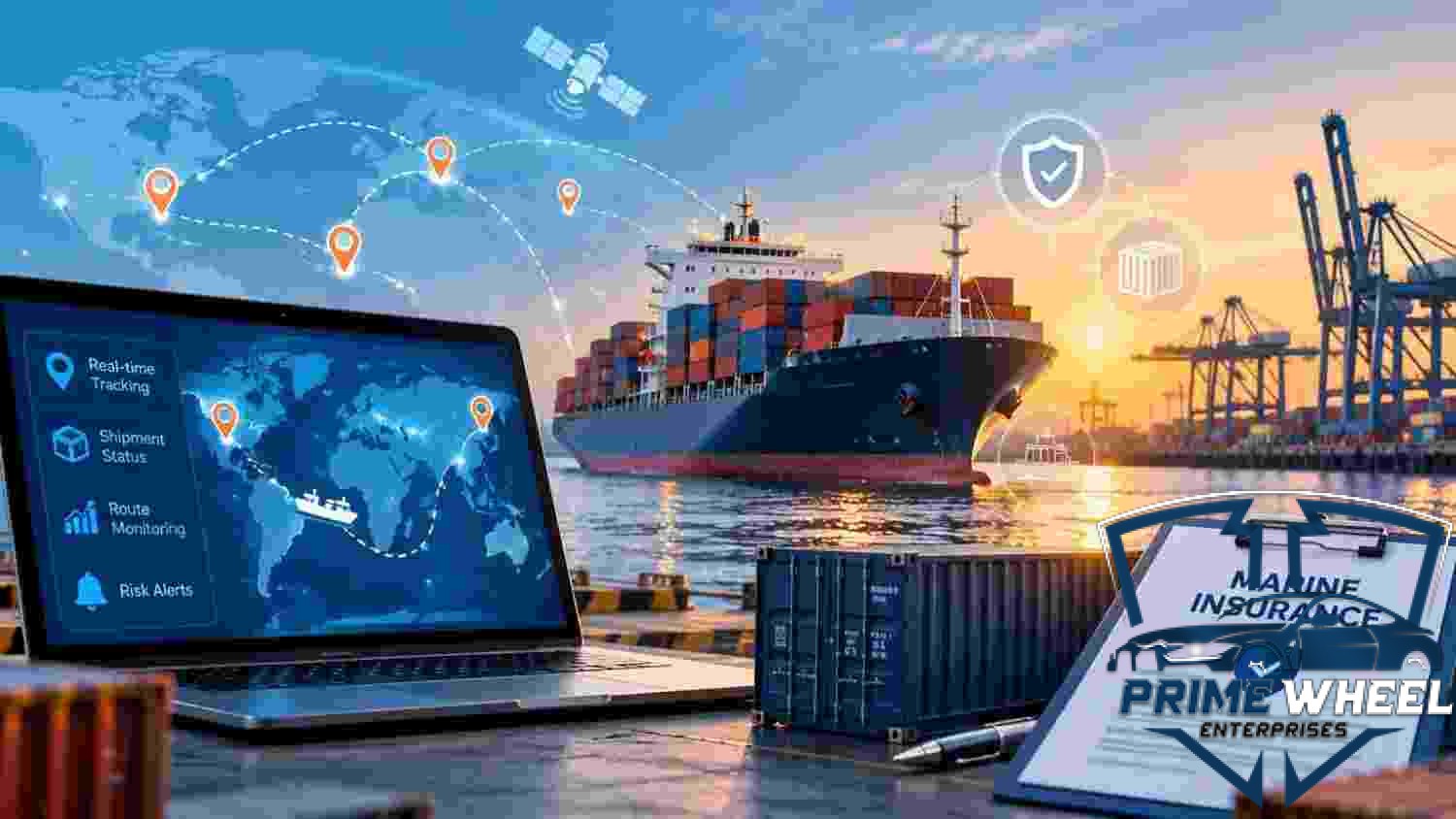
Importing a car from Japan involves several stages, from purchasing a vehicle and completing export documentation to international shipping and final delivery. During this journey, vehicles may be exposed to unexpected risks, including accidents, rough weather, handling damage, and other transportation-related incidents.
This is where marine insurance for imported cars becomes important.
Marine insurance provides financial protection against certain risks associated with transporting vehicles by sea, depending on the policy terms and coverage selected.
But is marine insurance necessary when importing a car from Japan? What does it cover, and when should you purchase it?
In this guide, we explain everything car importers need to know about marine insurance before arranging international vehicle shipping.
1. What Is Marine Insurance?
Marine insurance is a type of insurance designed to protect cargo and other insured interests against specified risks during transportation.
When importing a vehicle from Japan, marine cargo insurance can provide financial protection against covered loss or damage while the vehicle is being transported internationally.
For example, if an insured vehicle is damaged during sea transportation due to a covered incident, the policy may provide compensation according to its terms and conditions.
Coverage depends on the insurer, selected policy, insured value, exclusions, and transportation arrangements.
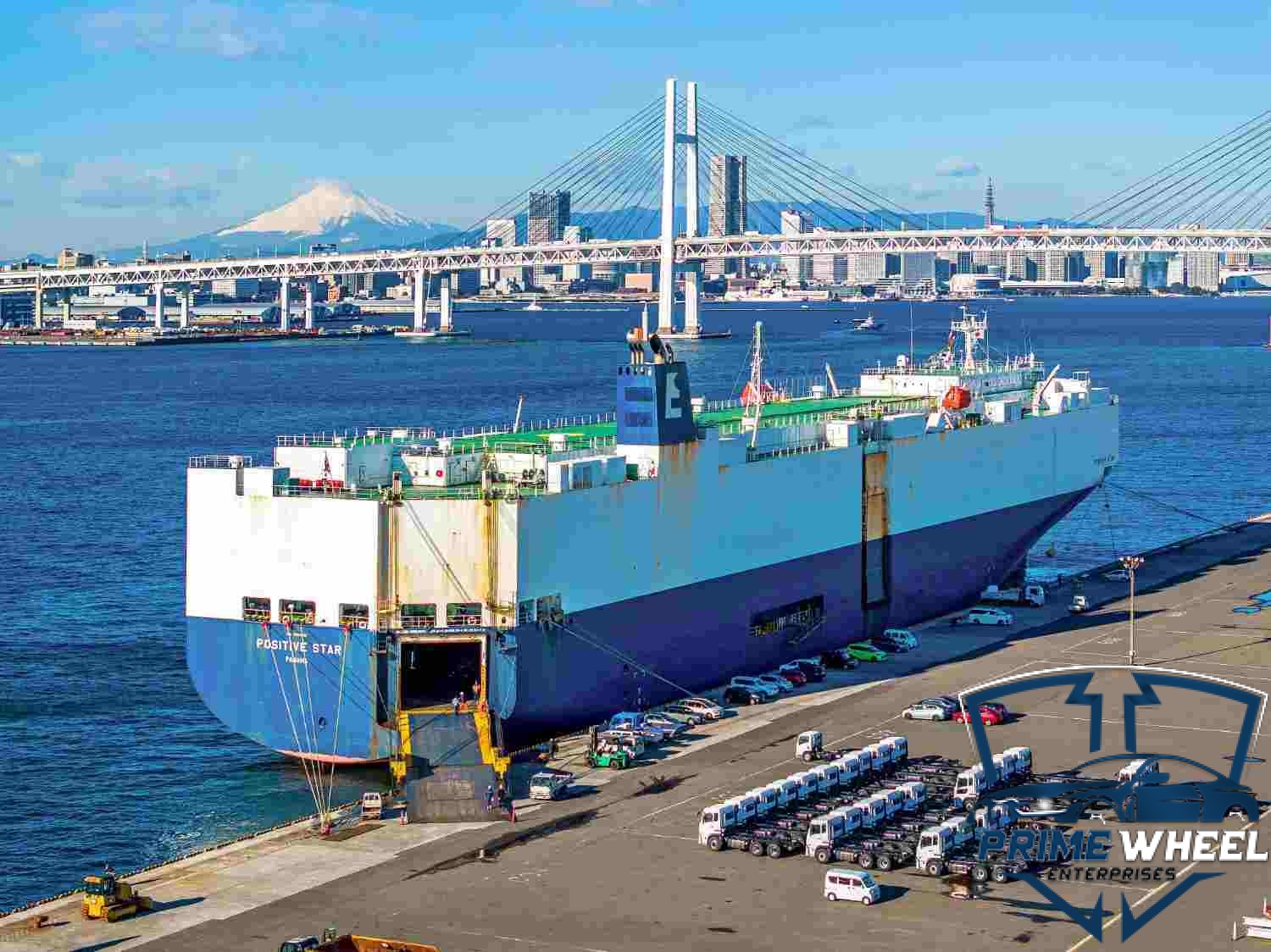
Marine insurance is commonly considered for both RoRo (Roll-on/Roll-off) and container shipping.
2. Why Is Marine Insurance Important When Importing a Car?
A vehicle travelling internationally may pass through several stages before reaching its destination.
These may include:
Transportation from the auction house to the export yard.
Vehicle preparation and port handling.
Loading onto a shipping vessel.
International sea transportation.
Unloading at the destination port.
Additional handling and delivery arrangements.
Although shipping companies follow established procedures, unexpected incidents can still happen.
Marine insurance can help reduce the financial impact of certain covered incidents.
Some important benefits include:
Financial Protection: Helps protect the insured value of the vehicle against covered losses or damage.
Peace of Mind: Provides additional confidence while the vehicle is travelling internationally.
Risk Management: Helps importers prepare for unexpected transportation-related events.
International Shipping Protection: Depending on the policy, coverage may extend across multiple stages of the shipping journey.
3. What Does Marine Insurance Cover for Imported Cars?
Marine insurance policies can provide different levels of protection. The actual coverage depends on the policy selected.
Commonly covered risks may include:
A. Accidental Physical Damage
Certain policies cover accidental physical damage to an insured vehicle during transportation.
This may include damage resulting from a covered shipping incident.
B. Total Loss
If a vehicle is completely lost due to an insured event, the policy may provide compensation according to the insured value and applicable terms.
C. Fire or Explosion
Some marine cargo insurance policies cover vehicle loss or damage caused by fire or explosion during the insured transportation period.
D. Vessel-Related Accidents
Depending on the policy, coverage may include certain losses resulting from maritime accidents, such as vessel collision, sinking, or grounding.
E. Handling-Related Damage
Some policies may cover accidental damage during loading, unloading, or cargo handling, provided these activities fall within the insured period and policy conditions.
Important: Not every policy covers all these risks. Always review the actual insurance wording before purchasing coverage.
4. What Is Usually Not Covered by Marine Insurance?
Understanding exclusions is just as important as understanding coverage.
Depending on the policy, common exclusions may include:
Existing damage before insurance coverage begins.
Ordinary wear and tear.
Mechanical or electrical breakdown.
Rust, corrosion, or gradual deterioration.
Inadequate or improper vehicle preparation.
Deliberate damage or misconduct.
Certain delays and financial losses caused by late delivery.
Losses specifically excluded under the policy.
For example, if a vehicle already has scratches or mechanical problems before shipping, these conditions may not be covered as new transportation damage.
Always ask your insurer about exclusions and any special conditions applicable to imported vehicles.
5. When Should You Purchase Marine Insurance?
Ideally, marine insurance should be arranged before the insured transportation begins.
For vehicles exported from Japan, buyers should discuss insurance arrangements with their exporter, freight forwarder, or insurance provider before the vehicle is shipped.
Consider arranging coverage when:
Purchasing a high-value vehicle.
Shipping a vehicle over a long international route.
Transporting a vehicle through multiple ports.
Using container or RoRo shipping.
Importing a vehicle for business purposes.
You want additional financial protection against covered transportation risks.
The exact start and end of insurance coverage should be confirmed in writing. Some policies cover only the sea journey, while others may cover a wider transportation period.
6. RoRo vs Container Shipping: Does Marine Insurance Apply to Both?
Yes. Marine cargo insurance may be available for both RoRo and container shipments.
However, the coverage conditions, premiums, and risk assessments may differ.
RoRo Shipping
RoRo shipping involves driving or moving a vehicle directly onto a specially designed vessel.
Marine insurance may cover specified risks during the insured transportation period.
Before purchasing coverage, confirm whether loading, unloading, and port storage are included.
Container Shipping
Container shipping involves securing the vehicle inside a shipping container.
Insurance may cover specified risks during transportation, including certain handling-related incidents, depending on the policy.
Confirm whether the policy covers the vehicle while it is being loaded into the container and removed at the destination.
Neither shipping method automatically guarantees better insurance protection. The policy wording determines the actual coverage.
7. How Is Marine Insurance Cost Calculated?
The cost of marine insurance depends on several factors.
Insurance providers may consider:
1. Vehicle Value: The declared or agreed insured value of the vehicle.
2. Destination: The shipping route and destination country may influence the premium.
3. Shipping Method: RoRo and container shipping may have different risk assessments.
4. Coverage Type: Broader coverage may result in a higher premium.
5. Vehicle Type: The make, model, age, and characteristics of the vehicle may affect underwriting.
6. Deductible or Excess: The amount the policyholder must pay towards a covered claim can influence the premium.
The actual insurance cost should be confirmed through a quotation from an insurance provider.
8. What Is an Insured Value?
The insured value is the amount used to determine the financial protection provided under an insurance policy.
When importing a car from Japan, the insured value may be based on factors such as:
Vehicle purchase price.
Freight charges.
Other eligible transportation costs.
Additional agreed expenses, where applicable.
Some insurance policies use a specific valuation basis, so importers should not assume that the vehicle’s purchase price automatically equals its insured value.
Check the policy to understand how the insured amount is calculated and how claims are settled.
9. What Should You Check Before Buying Marine Insurance?
Before purchasing a policy for your imported vehicle, review these important points:
Coverage Period: Confirm when protection begins and ends.
Insured Value: Make sure the declared value is accurate.
Covered Risks: Understand which types of damage and loss are included.
Exclusions: Check which situations are not covered.
Deductible: Understand how much you may have to pay towards a claim.
Shipping Method: Confirm that the policy covers your selected RoRo or container arrangement.
Transshipment: Check whether connecting ports and vessel transfers are included.
Claims Procedure: Understand how and when to report damage or loss.
Required Documents: Ask which documents are needed to support a claim.
Taking time to review these details can help prevent misunderstandings later.
10. What Should You Do If Your Car Is Damaged During Shipping?
If your vehicle arrives with visible damage or you discover a covered loss during transportation, take action as soon as possible.
Follow these general steps:
Step 1: Document the Damage
Take clear photographs and videos showing the condition of the vehicle.
Step 2: Notify the Relevant Parties
Inform the shipping company, destination agent, and insurance provider promptly.
Step 3: Record Any Visible Damage
Where possible, ensure that visible damage is recorded in the relevant delivery or inspection documents before signing an acknowledgment of receipt.
Step 4: Collect Supporting Documents
Keep copies of:
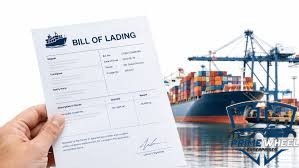
Bill of Lading.
Insurance certificate or policy.
Vehicle purchase invoice.
Pre-shipment condition photographs.
Arrival inspection report.
Relevant shipping correspondence.
Step 5: Submit Your Claim
Follow the insurer’s claim notification procedure and provide the required evidence within the specified time limits.
Avoid arranging repairs or disposing of damaged parts before obtaining the insurer’s instructions, unless immediate action is necessary to prevent further damage.
11. Marine Insurance vs Shipping Company Liability: What Is the Difference?
Many importers assume that the shipping company will automatically pay for any damage to their vehicle.
However, carrier liability and marine cargo insurance are different forms of protection.
Comparison
Marine Insurance
Carrier Liability
Main Purpose
Provides insurance protection for covered risks
Covers carrier responsibility under applicable rules and contract terms
Coverage
Depends on the selected policy
Depends on applicable liability rules and shipping terms
Compensation
Subject to insured value, limits, and policy conditions
Subject to liability limits, exclusions, and legal requirements
Claims
Submitted to the insurer
Submitted to the carrier or relevant shipping party
Protection
Can provide broader financial protection
Does not automatically cover every type of vehicle damage
For this reason, buyers should understand both the insurance policy and the carrier’s responsibilities before shipping their vehicle.
Conclusion: Protect Your Vehicle Before It Begins Its Journey
Importing a vehicle from Japan involves several transportation stages, and unexpected incidents can happen along the way.
Marine insurance can provide valuable financial protection against specified risks during international vehicle transportation.
Before shipping your car, review the available insurance options, understand the coverage conditions, and confirm that your vehicle is insured for the transportation period you require.
At Prime Wheel Enterprises, we believe that informed decisions are an important part of a successful vehicle import experience.
From Japanese auction consultancy and vehicle selection to export guidance, we aim to help customers understand the important stages of importing vehicles from Japan.
Prime Wheel Enterprises Choose Smart. Import with Confidence.
SEO Information
SEO Title: Marine Insurance for Imported Cars: Coverage and Benefits
Meta Description: Learn what marine insurance covers when importing a car from Japan, including shipping risks, exclusions, insurance costs, and when to arrange coverage.